Osteopathy · São João da Madeira

Treat the origin of pain, with precision.

Diploma in Anglo-Saxon Osteopathy UPN and postgraduate at the School of Health of the Polytechnic of Porto.

Discover the approach
//The origin of Osteopathy//

The origin of Osteopathy

Osteopathy began in the 19th century in the USA with Andrew Taylor Still, a physician and surgeon who could not save some family members who died of “Acute Meningitis” with the methods used at the time. Science could not explain the phenomenon. Intrigued and discouraged by the lack of means and explanations, Andrew Taylor Still discovered for himself that certain musculoskeletal blocks were directly linked to certain types of disease and dysfunction.

Among several clinical cases, he was able to demonstrate through investigations in patients with various pathological dysfunctions, to the “sceptical allopathic doctors” of that time, the value of osteopathic manipulation. With the research he developed over the years, Andrew Taylor Still discovered and defended the following foundations for osteopathic medicine:
The body as a unit

Everything is interconnected in our organism; biomechanical, physiological and chemical actions do not arise in isolation. There has to be a cause…

01

Structure governs and nourishes function

The structural condition of the individual, especially the spine, plays a fundamental role in the organs and in their health and in health in…

02

The body can self-heal

In the same way that when a patient has a small wound on the skin and, with the help of external means such as disinfectants, it heals more quickly…

03

The rule of the artery and circulation in general

Essentially, those who study Osteopathy know the importance of this mechanism. Interruption of blood, lymphatic and CSF (cerebrospinal fluid)…

04
//Clinical methodology//

Clinical methodology of Osteopathy in patient rehabilitation care

The Osteopath has their own methods of assessing the patient’s clinical state, which in their concept include anamnesis (the patient’s clinical history), neurological tests, orthopaedic tests, applied kinesiology, etc. Complementary examinations such as X-rays, ultrasounds, CT scans and clinical analyses can sometimes help clinical reasoning.

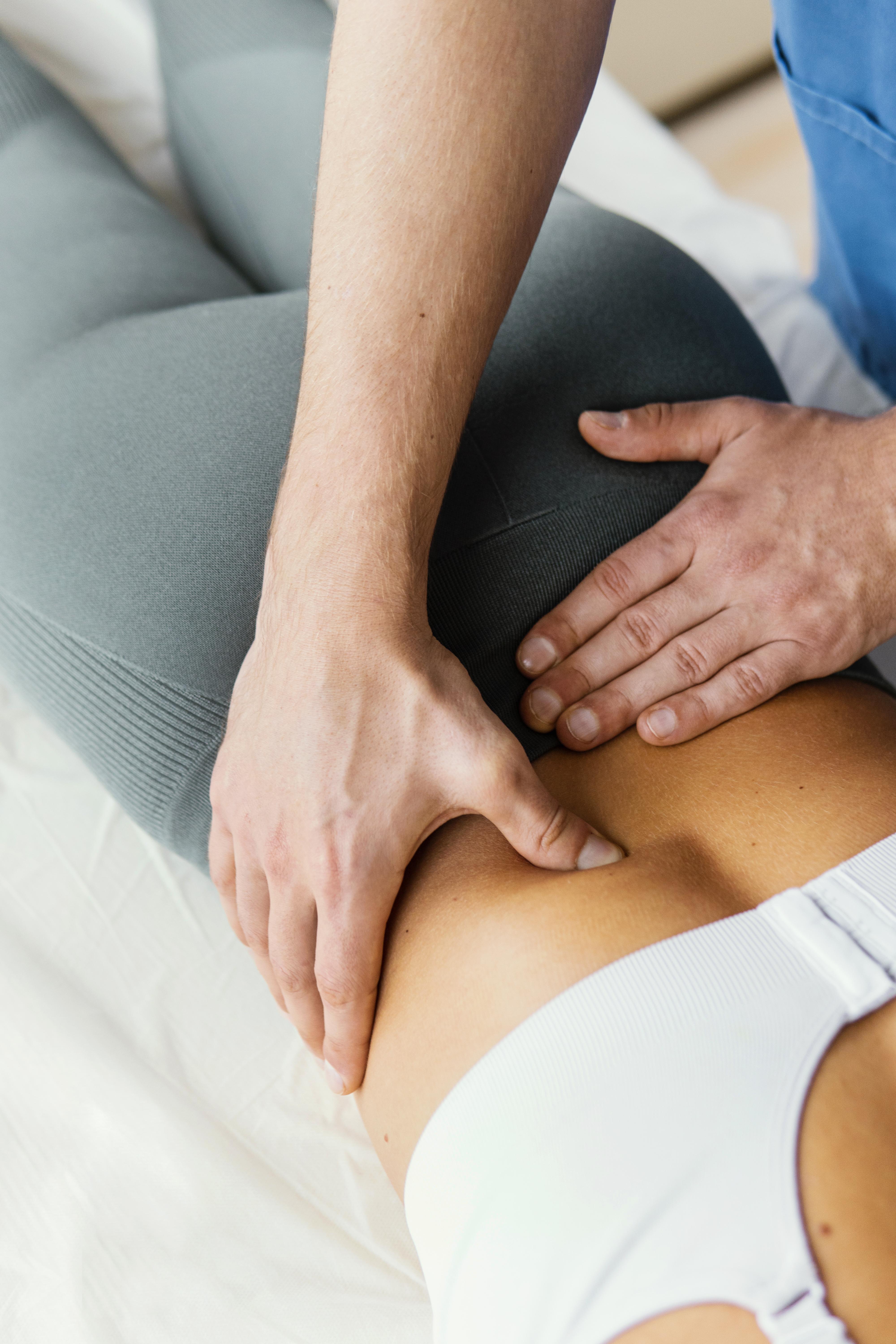
Osteopathic treatment is manipulative in the sense of harmonising and balancing, gently and without pain. Its application involves specific techniques applied to the joints (including the spine), muscles, Central Nervous System (sacro-cranial technique), and organs, especially the fasciae that surround them.

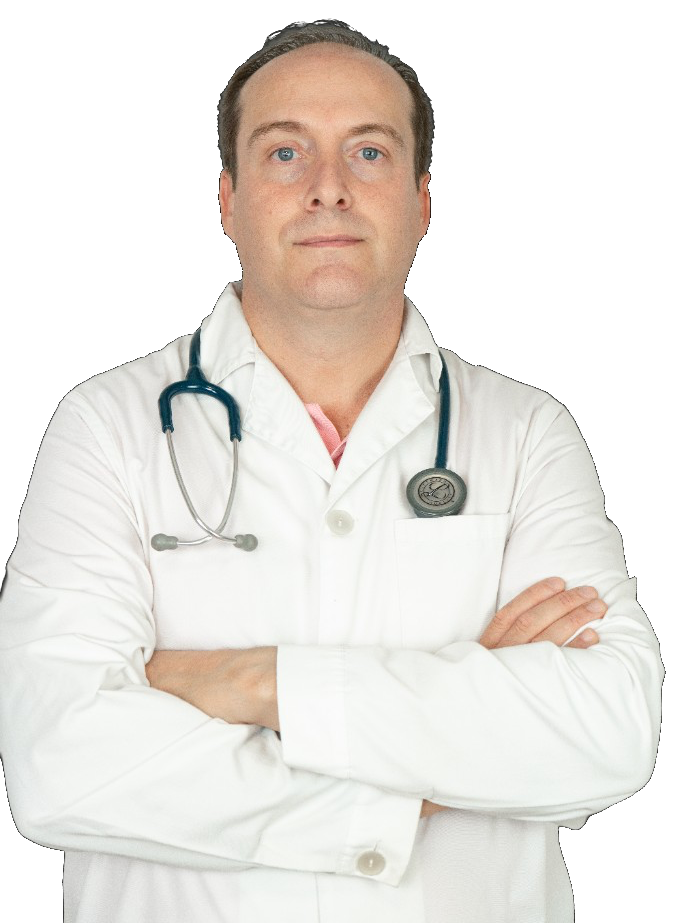
Dr. Carlos Piedade

Dr. Carlos Piedade

Osteopata D.O.

//Dr. Carlos Piedade//

Diploma in Anglo-Saxon Osteopathy

Diploma in Anglo-Saxon Osteopathy UPN and postgraduate at the School of Health of the Polytechnic of Porto. Gave training in Lausanne and took part in several seminars on Osteopathy and Health at national and international level. With more than 18 years of experience in Osteopathy he is one of the most recognised Osteopaths practising in Portugal. He applies and fully defends the OBP (Osteopathic British Protocol) as a fundamental practice in osteopathic clinical rehabilitation. All clinics where he works are registered with the Health Regulatory Authority (ERS). He holds professional licence number 100452 from the Administração Central dos Serviços de Saúde.

//Osteopathy//

What is Osteopathy

It is an “autonomous and independent” alternative medicine with a holistic concept using manipulative manual techniques, and it is now part of primary health care…

01
//Advice//

Advice from other health professionals on Osteopathy and its importance

The best suggestion that other health professionals, including allopathic doctors, can give a patient about Osteopathy is that they consult a duly accredited Osteopath…

02
//Differentiation//

How Osteopathy differs from other treatment methods

The holistic principle in assessment (body, mind and the patient’s clinical history as a whole) and completely natural treatment techniques are the great differentiation…

03
//Paediatric Osteopathy//

Age groups in treatment and their specificities

  • Babies

    Assessment of the musculoskeletal system, correction of some cranial deformities at birth (with careful manipulations the Osteopath stimulates correction), constipation and frequent colic, musculoskeletal tensions and pain, stress in the baby,

  • Children

    Postural correction, muscle pain, joint pain, spinal pain (cervical, thoracic and lumbar), stress, minor depression, nervous gastritis, constipation.

  • Young people and adults

    muscle pain, joint pain, spinal pain, sciatica, stress, minor depression, nervous gastritis, constipation.

  • Older adults

    Muscle pain, joint pain, spinal pain, difficulty in locomotion, chronic constipation, urinary leakage from pressure on the bladder.

//Booking//

Request your appointment

Book an appointment

Take care of your health and check it more often; let us help you do it.

//Reviews//

What patients say

Your feedback helps other patients. Messages are reviewed by the clinic before they appear here.

Leave your review

Your review reaches the clinic first. It is only published on the site after it is accepted.